Resources

Articles

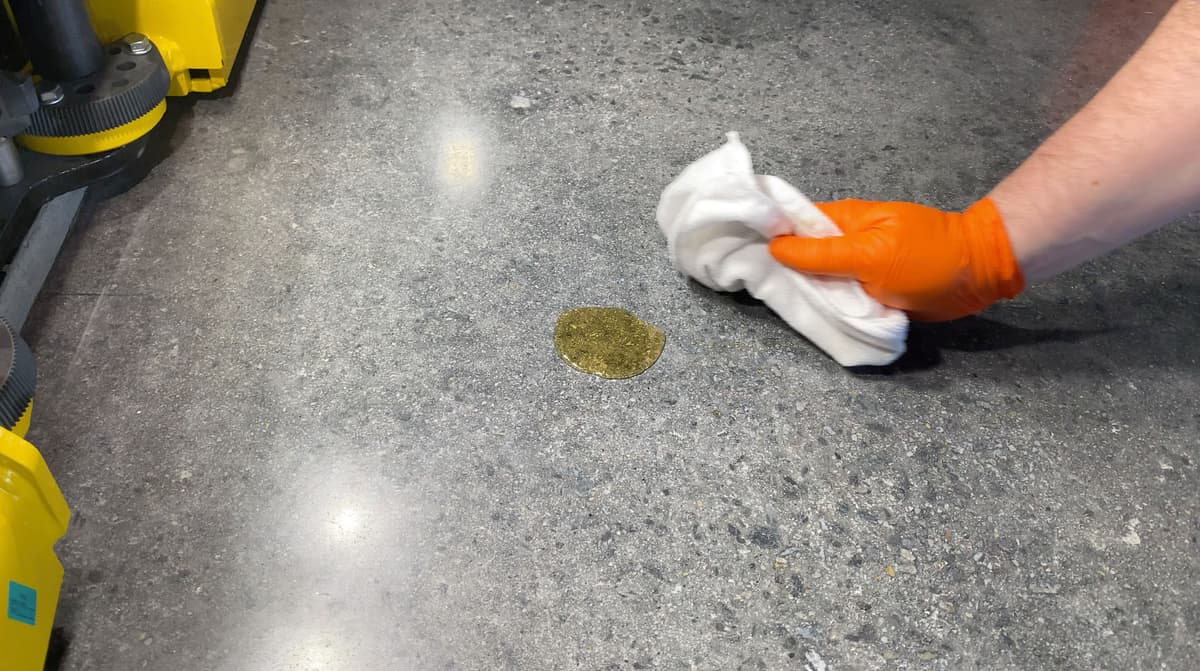
Oil Repellent Concrete Sealer

Choosing a Concrete Sealer that Blocks Oil Stains

Sealing your concrete driveway (or garage) is a wise investment that can add years of service-life by reducing cracks and corrosion caused by water, moisture and deicing salts. Using a penetrating sealer will do the trick, but what about protection from oil or transmission fluid? Let's shed some light on this topic...
Basement epoxy

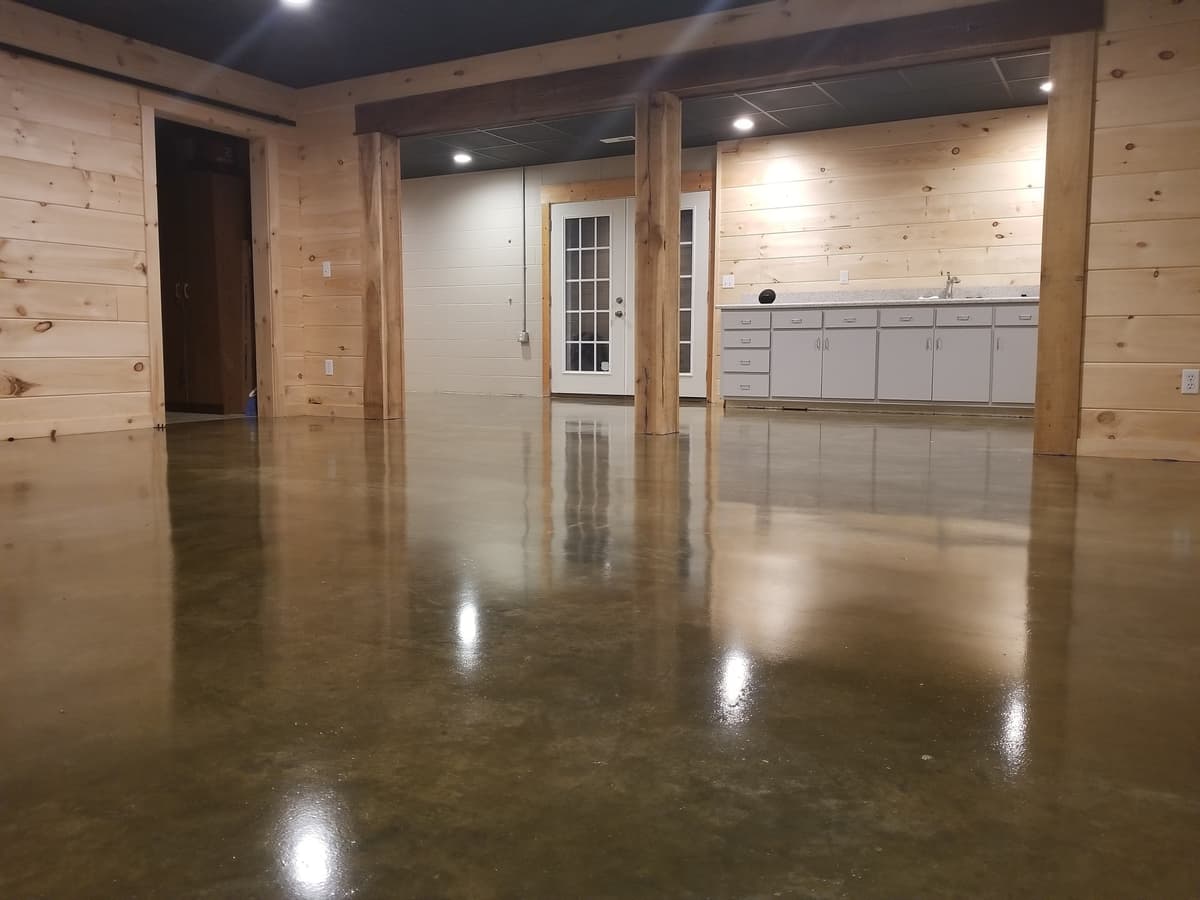
Best Basement Waterproofing Sealer

While concrete may seem like an extremely strong building material, it is naturally porous and prone to water absorption. Beginning on the surface, concrete is filled with tiny pores and hairline cracks that extend throughout the material. While concrete may seem strong enough without any treatment, it is not as strong and protected as it can be. The tiny pores of a concrete slab and foundation can absorb water if not treated with a waterproofing concrete sealer. Basements are one of the most vulnerable areas of a home and if left untreated they are at high risk of flooding, excessive mold and mildew build-up and the passage of radon gases.

Garage

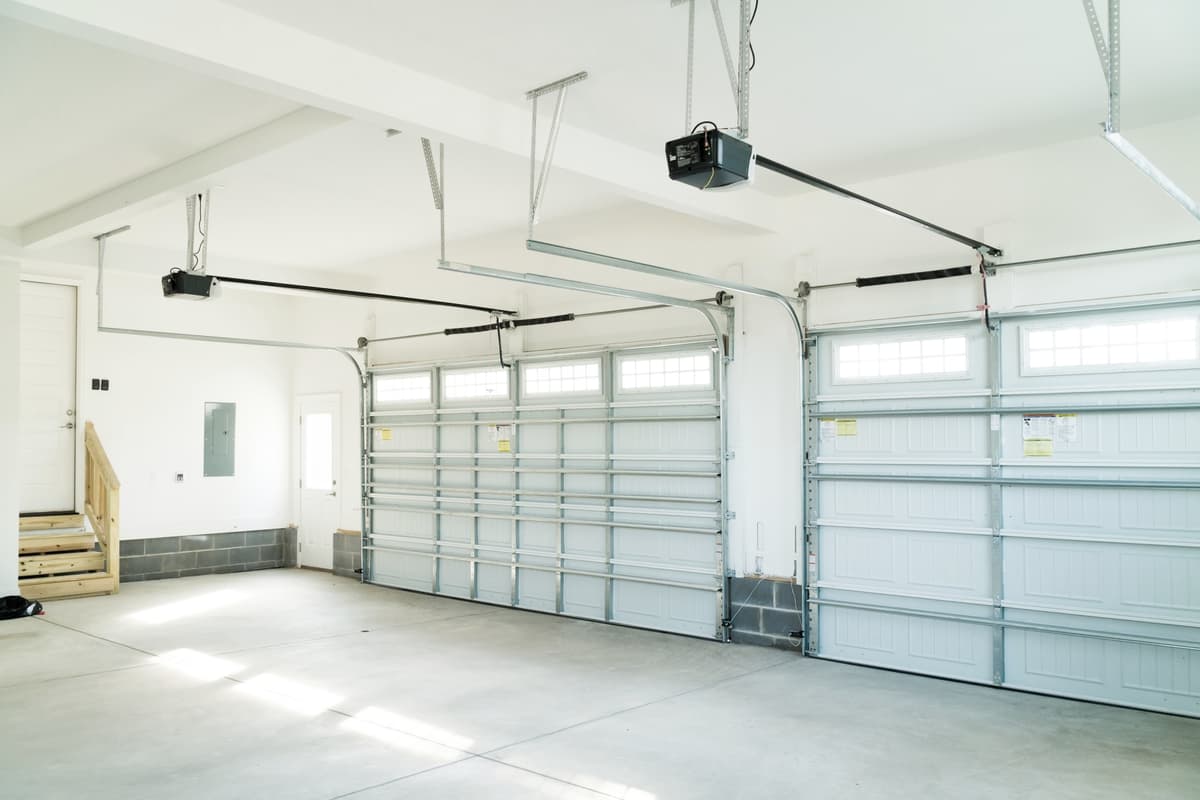
Best Sealer for a Concrete Garage

While choosing between exterior and interior concrete sealers may be straightforward, a garage floor may at first seem somewhat more difficult to determine. The garage is a kind of liminal space where the exterior and interior meet at a happy medium, necessitating a good concrete sealer to protect the floor. Which route should you take?

8500 back yard pool

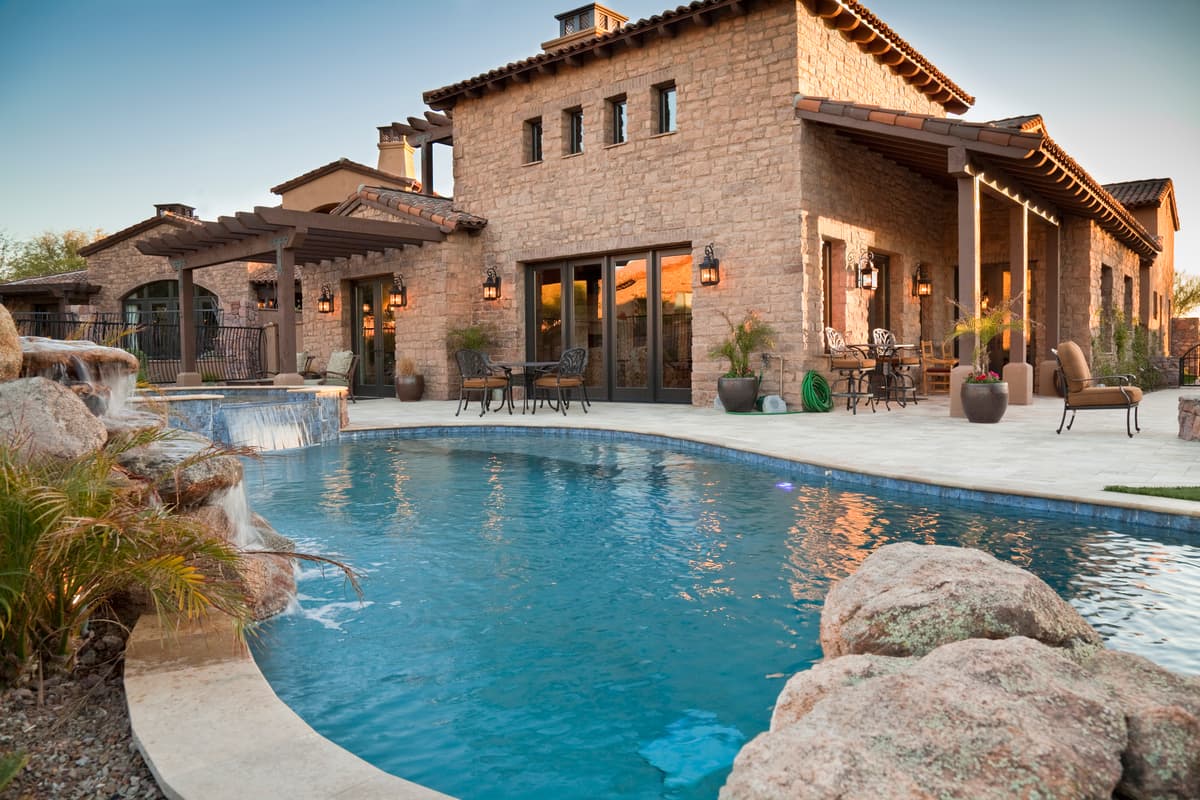
Best Sealer for a Pool Deck

Pool decks are usually composed of stamped concrete, pavers, slate or exposed aggregate concrete. Because of the damaging nature salt water and the elements such as acid rain and UV exposure can have on concrete it is best to seal a pool deck. Depending on the desired finish, a natural/flat sealer, or high gloss/wet look sealer may be used.

How-To Videos