Epoxies are solutions that need to be mixed together prior to application. Once mixed, they contain large particles of chemical sealant that are applied to a concrete surface. Once applied to the concrete surface, the large particles of sealant will pool on said surface, as they are too large to penetrate past the tiny surface pores natural to all concrete. They merely sit atop the surface of the concrete to be spread out evenly during the application process.
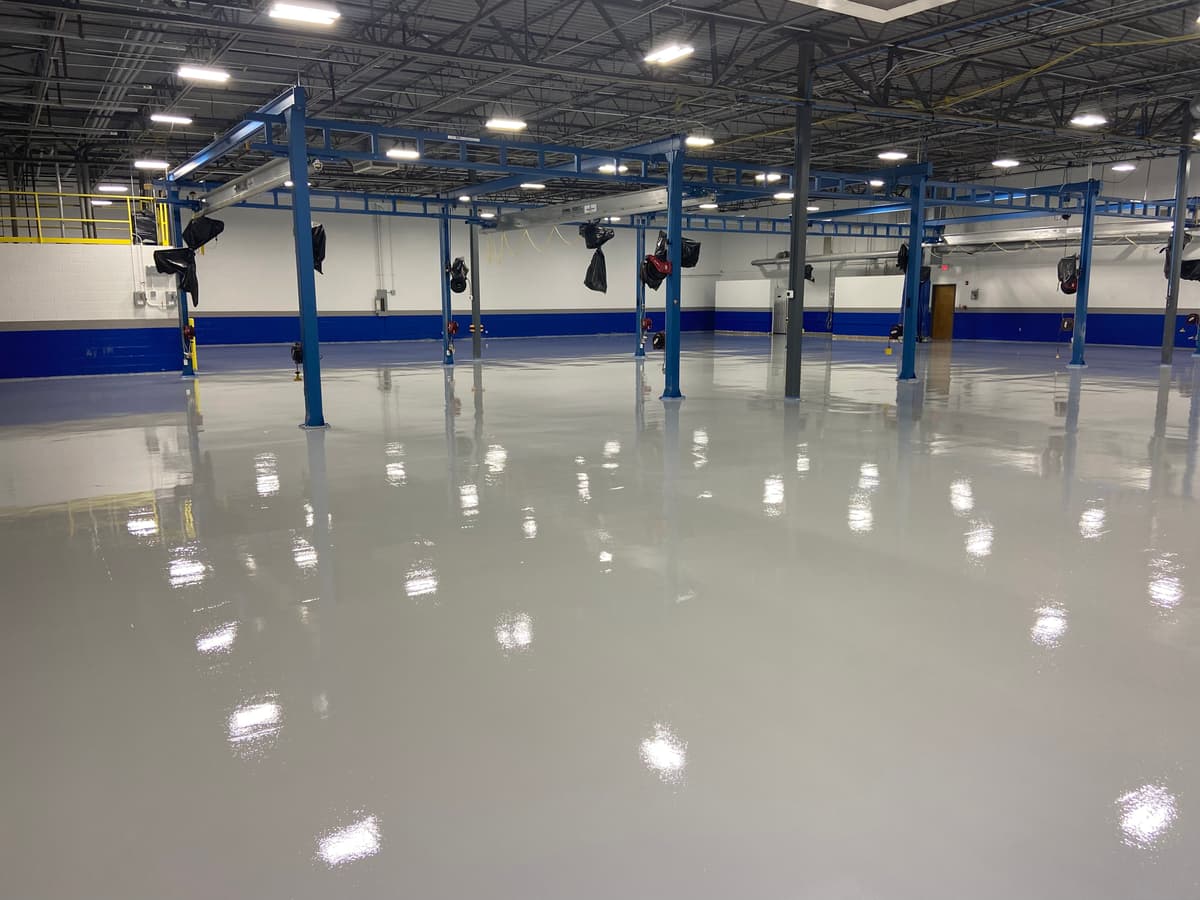
Industrial floors, whether in factories or warehouses, require a high level of strength. Therefore, they are most commonly constructed from concrete, one of the strongest and most common manmade materials on the planet. However, a concrete floor is only as good as the sealer with which it is applied.
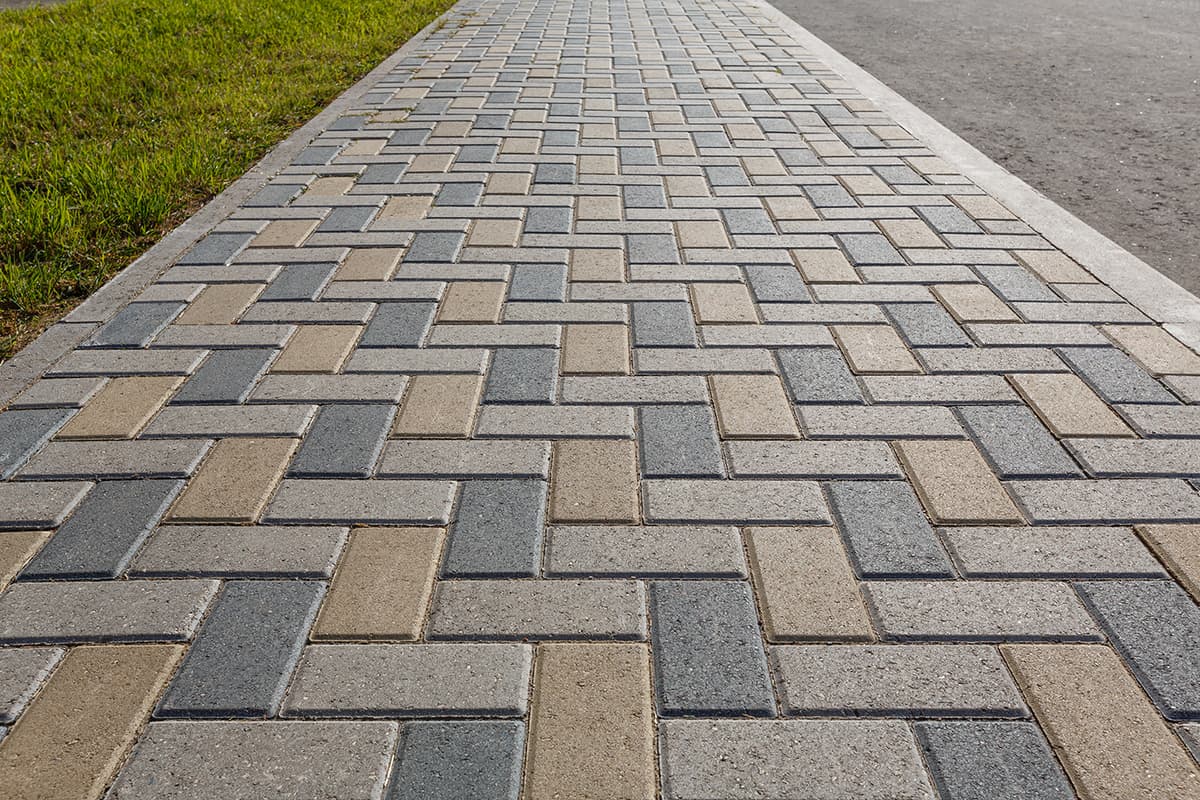
One of the most common forms of concrete used in warmer climates from Florida to California are pavers. While they may not be as strong as traditional concrete, pavers are, in fact, a type of concrete. This type of concrete is somewhat more delicate and prone to extreme damage in colder climates that suffer through harsh winters, which is why it isnt found as frequently in colder areas.
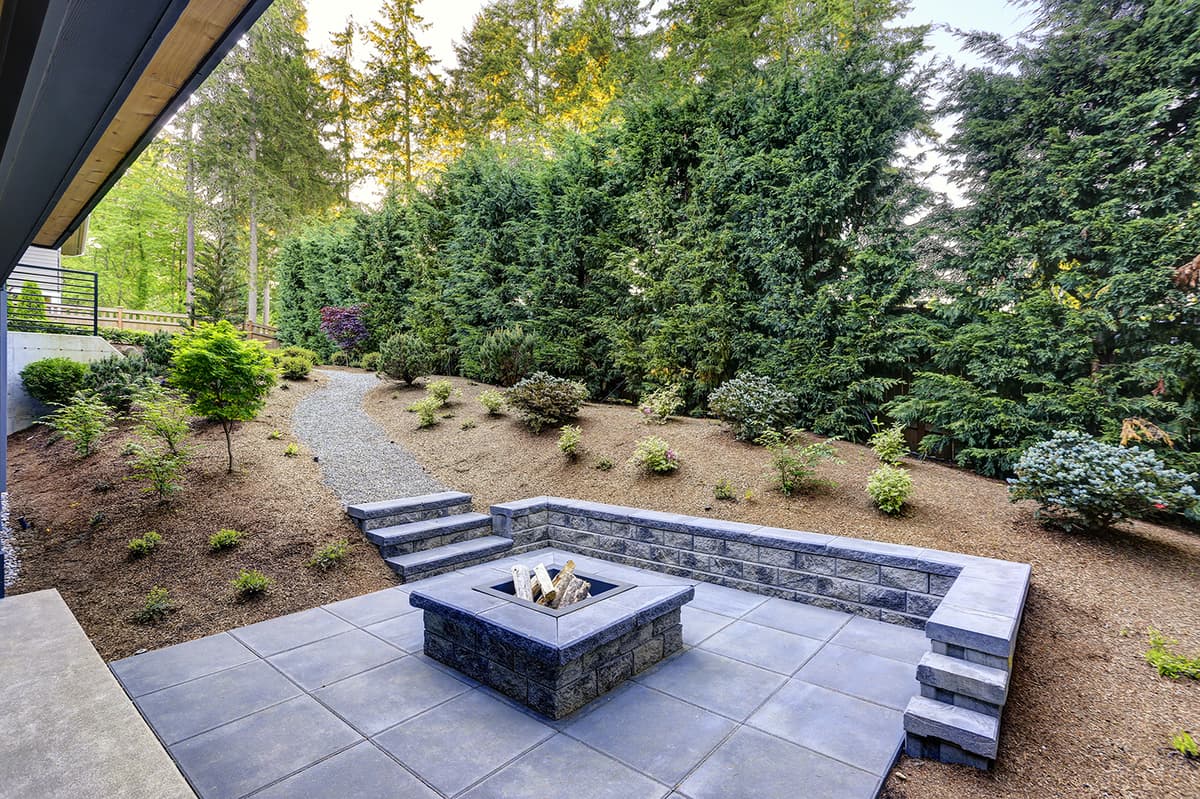
Concrete is not a flammable material. While it may not be entirely immune to fire and fire damage, it is not as likely to catch fire as a wooden structure. The lack of flammability is one of concretes biggest pluses, and it is also the reason many fireplaces are made out of brick. Brick is a type of concrete, albeit slightly more delicate and significantly more porous. The imperviousness to flame makes brick an attractive choice for someone looking to build and install a fireplace, whether indoor or outdoor. Concrete fireplaces are becoming more popular and it is an excellent idea to seal them before use.

If your home features a driveway made from concrete, you need to seal the slab early on to avoid potentially costly, disastrous, and unfixable problems in the future. Many driveways are made from asphalt, which means the use of a concrete sealer is not the appropriate choice. However, more driveways are made from concrete whether a traditional gray slab or another variant of concrete, such as pavers which makes a concrete sealer imperative.

Being the most widely-traveled and well worn method of transportation around and across the United States, highways require an increased level of care and protection. Public transportation may be favored in cities, but roads and highways are still vital to the American system of transportation.
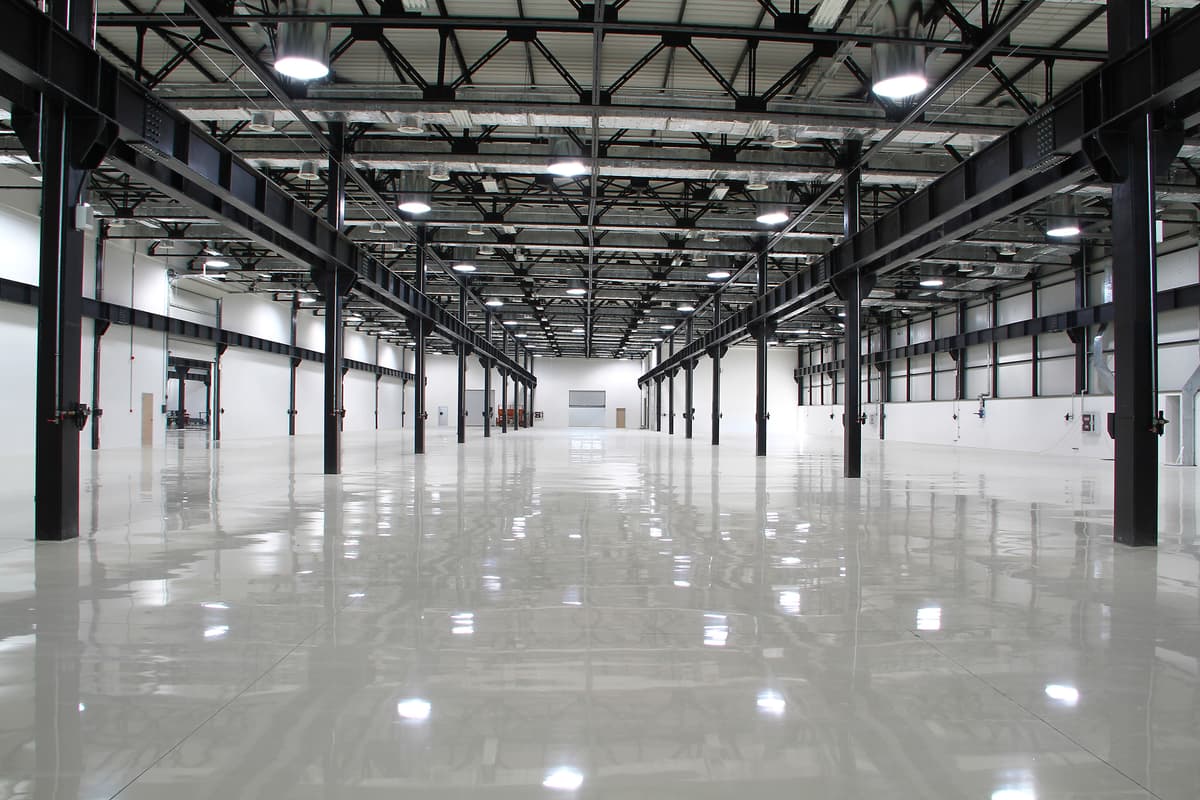
Warehouses are important to the well oiled functioning of any company that sells goods. Without a place to store their goods, companies would not be able to generate profit. Of course, while the storage space has to be uniquely suited to the goods of each particular company, most warehouses are constructed from concrete, which offers the most durable and strong structure in which goods can be stored.

Radon radiation is fast becoming recognized as a dangerous, silent killer seeping into our homes, responsible for somewhere around 21,000 deaths per year due to lung cancer, according to federal agencies. (Radon can cause lung cancer in certain individuals.) Concrete, unfortunately, does not stop the passage of radon into your home. In fact, the small pores and networks of hairline cracks actually allow radon to pass through unstopped.
If you live in a place in a warmer climate, such as Florida, then you likely have some sort of structure made up of pavers. Pavers are a ubiquitous material found throughout places like California and Florida, making up driveways, patios, and pool decks in a wide variety of homes.
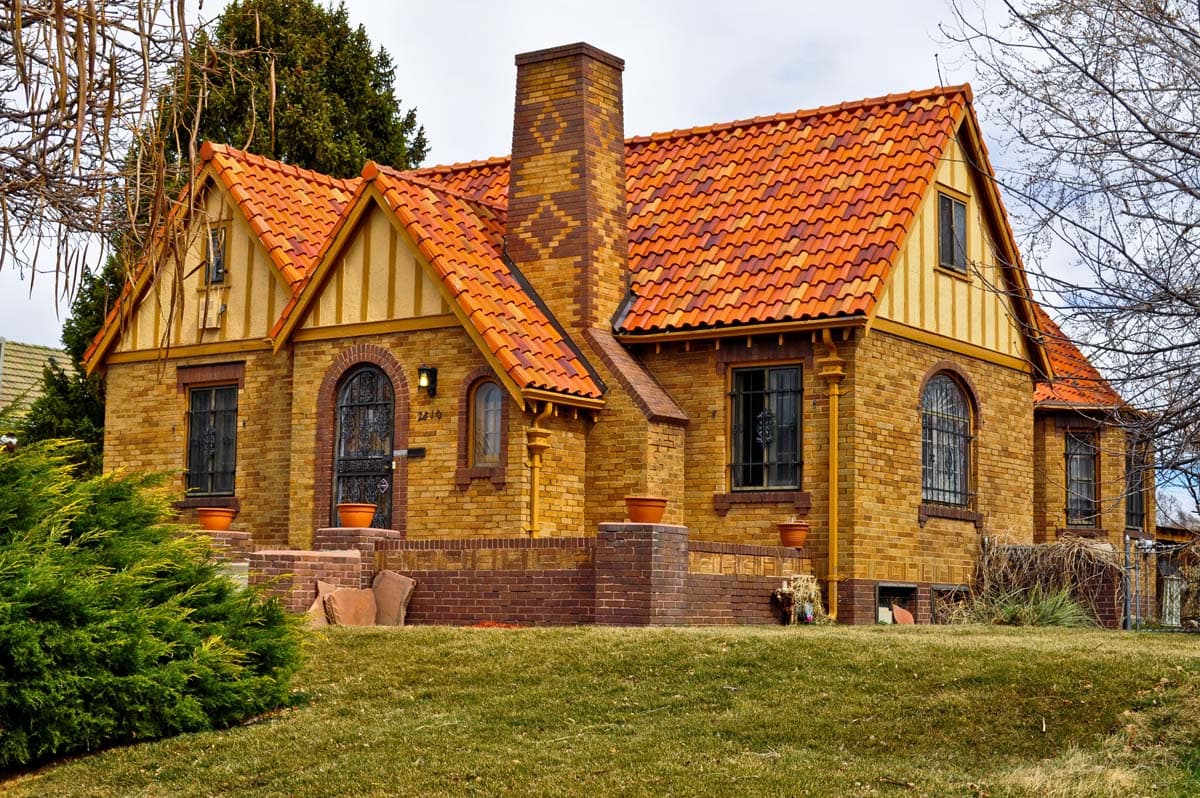
Chimneys are typically made of brick, especially in a region like New England with all of its classic colonials constructed throughout its long history. However, if you live in any other area with colder climates, the brick chimney is likely a ubiquitous fixture in your home as well as the abodes of your neighbors. These chimneys will offer an excellent source of heating and warmth, all while providing countless aesthetic and homely charms.
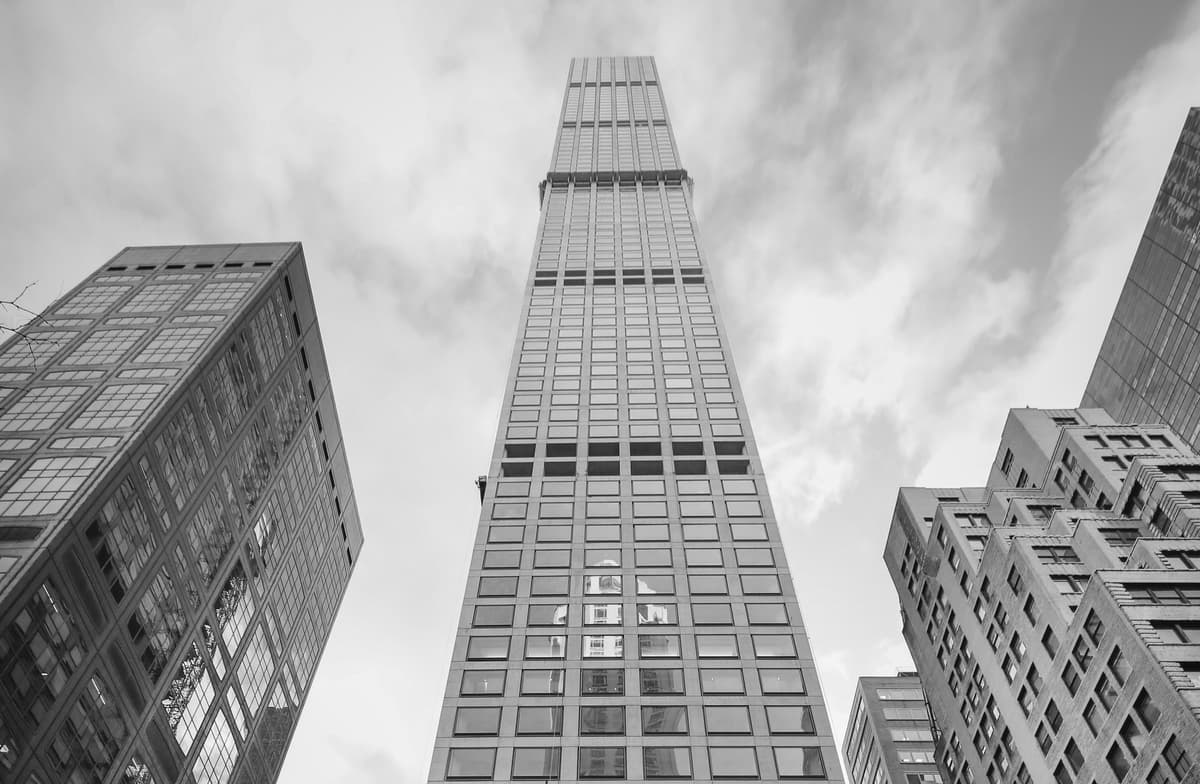
One of the most incredible modern marvels of building and construction has to be the skyscraper. Soaring into the sky from the ground, thrust into the clouds to stand majestic in the skyline among the lesser, squat buildings, skyscrapers have revolutionized urban planning and how we used space.
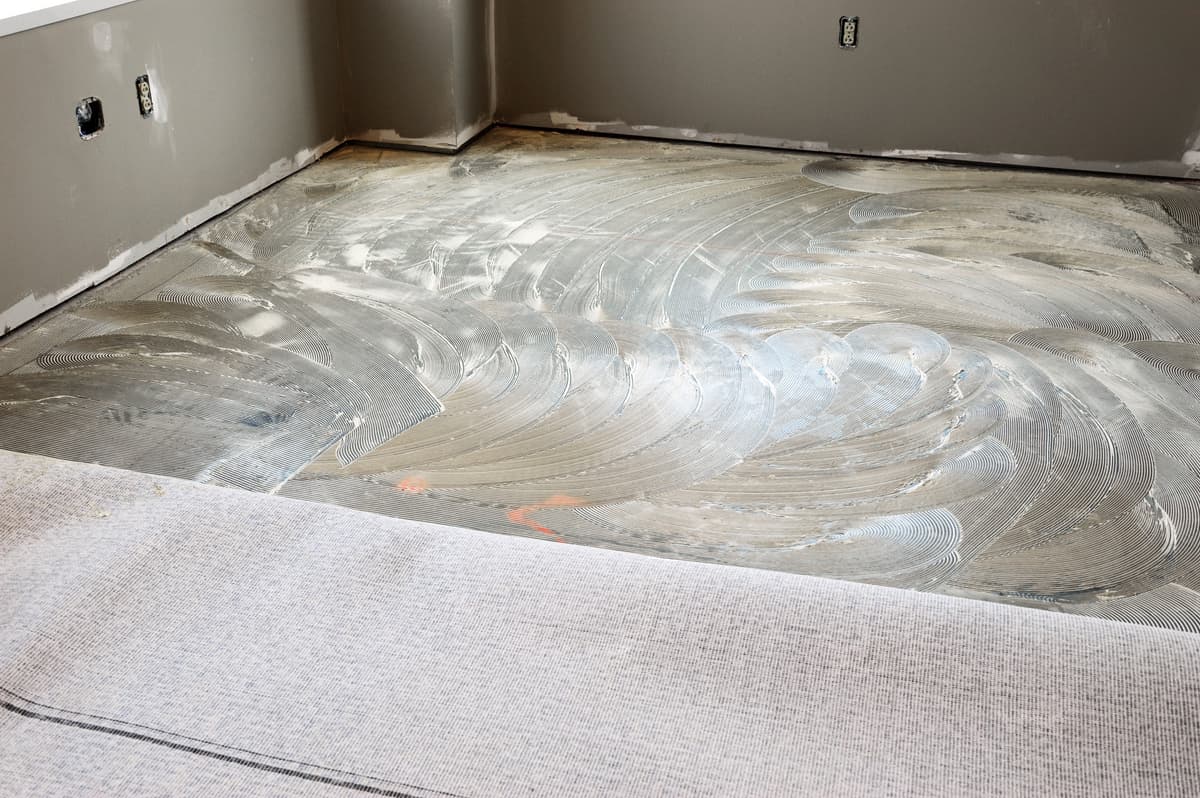
A defining feature of most basements is a musty smell and a damp feeling in the air. This is usually a result of water. Water breeds mold, mildew, and humidity and is transported through the open pores and voids of concrete foundation walls and slabs. Underneath most carpeted, finished basements a concrete slab exisits and if not properly sealed it is susceptible to mold, mildew and water seepage. By using a moisture mitigating concrete coating, water will be stopped, carpet will be kept dry and humidity levels will be kept at bay.

What do you do when faced with one of the worst tragedies that can befall a home? Water damage in a basement or even in the home itself can be one of the most devastating disasters. Not only is your sense of security lost, but your house will have structural damage, a bad smell, and many of possessions will likely be ruined.

Concrete, while strong and a great choice for many building and aesthetic projects, can often be drab and gray, lacking any visual appeal. While this is not a problem for, say, a basement, if you own a business that features concrete, you probably want it to look more presentable. There are a number of ways to enhance concretes visual aesthetic, such as decorative floor systems, paint chips and surface sealers, and so on. But if you want to improve the concrete without changing the color, a popular choice is attempting to make your concrete shiny.