


How to Protect Concrete from Chloride Penetration
Concrete is thought to be a durable and long-lasting building material. However, with the high levels of moisture and alkalinity, if left unprotected, it will begin to deteriorate when exposed to very aggressive environments - especially in areas exposed to severe elements such as salt, humidity, or frequent weather changes.
Because of the extreme porosity of concrete, unprotected concrete can absorb water, sodium chloride (salt), carbon dioxide and acid rain, which in time will affect its integrity.
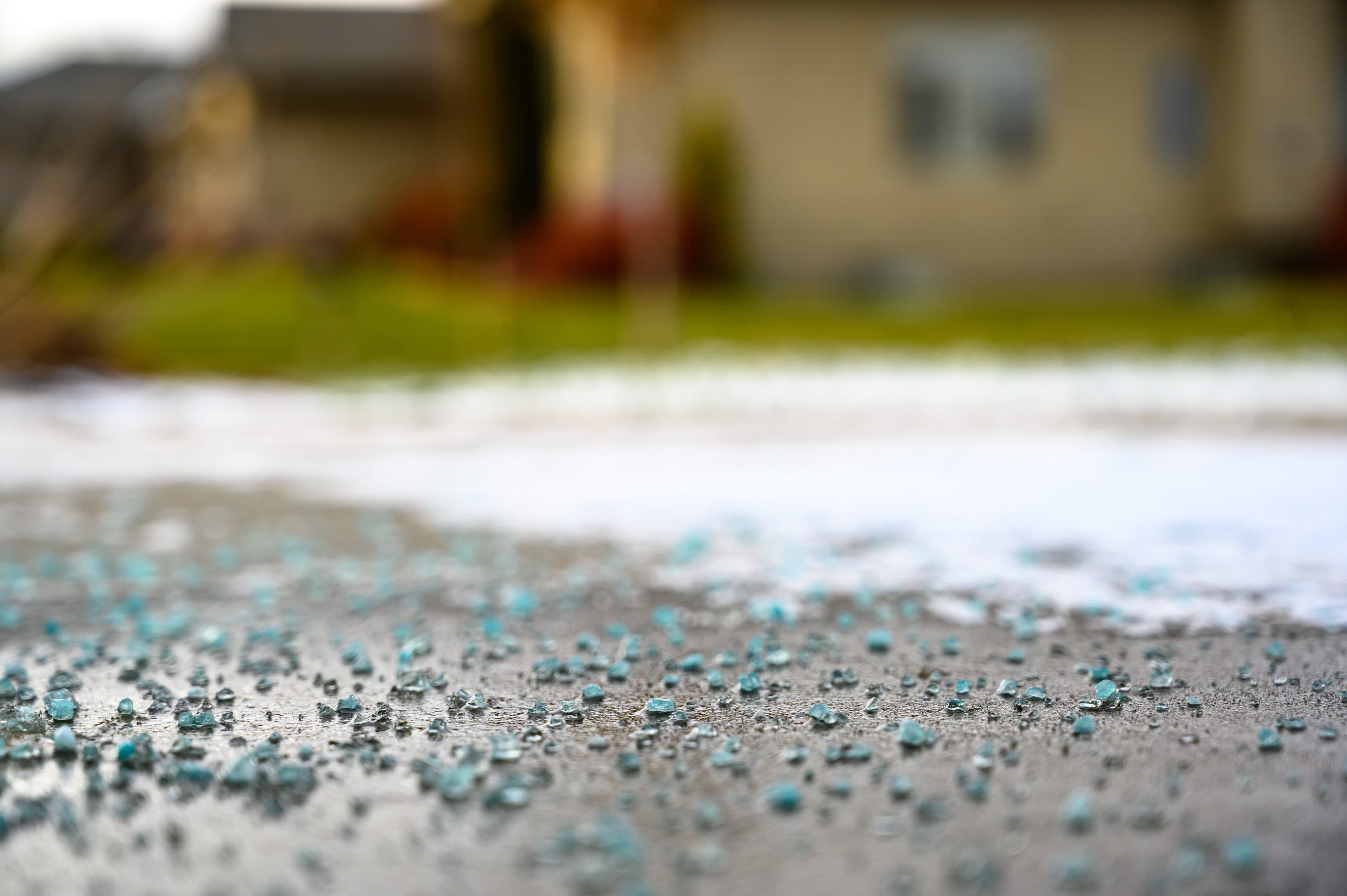
Salt can be a hazard to concrete in the form of deicing road salts, or coastal sea salt spray. When there is an ingress of salt, chloride ions are able to penetrate deep into the concrete. Eventually they will accumulate around the reinforcing steel and will thus cause the erosion and decay of the steel, since oxygen and moisture are present. In order to prevent degradation related to salt and salt exposure, it is best to use a silane/siloxane blended sealer like the Siloxa-Tek 8500.
Benefits of Siloxa-Tek 8500
Protection from chloride penetration
Protection from carbonation
Protection of reinforcing steel against corrosion
Resistance to wind-borne moisture
Protection against freeze-thaw cycles
Prevention of the ingress of water while remaining breathable
Resists chemical attack, salt degradation, deicing salts, acid rain and seawater
