


How to Remove a Concrete Sealer
Removing a concrete sealer, whether the sealer is old, worn, faded or you just dont like how it looks, is one of the most tedious tasks! We walk you through the process step by step and make it as easy and pain free as possible.
In order to accurately remove a concrete sealer you first need to determine the type of sealer that was initially applied. If you already know you can skip this step.
How to determine if concrete was sealed with a water-based concrete sealer or a solvent-based concrete sealer:
Pour a small amount of Xylene on an area that is still coated by the previous concrete sealer.
Allow the Xylene to sit for 20 seconds. Remove any excess.
Touch the area and if it is tacky or sticky the surface was sealed with a solvent-based sealer.
If the concrete is not tacky or sticky the concrete was sealed with a water based sealer.
How to remove a solvent-based concrete sealer:
Start by removing any visible peeling and flaking and use a solvent based stripper such as Xylene to remove the previous sealer. (If concrete was dyed or stained, using Xylene can damage or change the color of the concrete.)
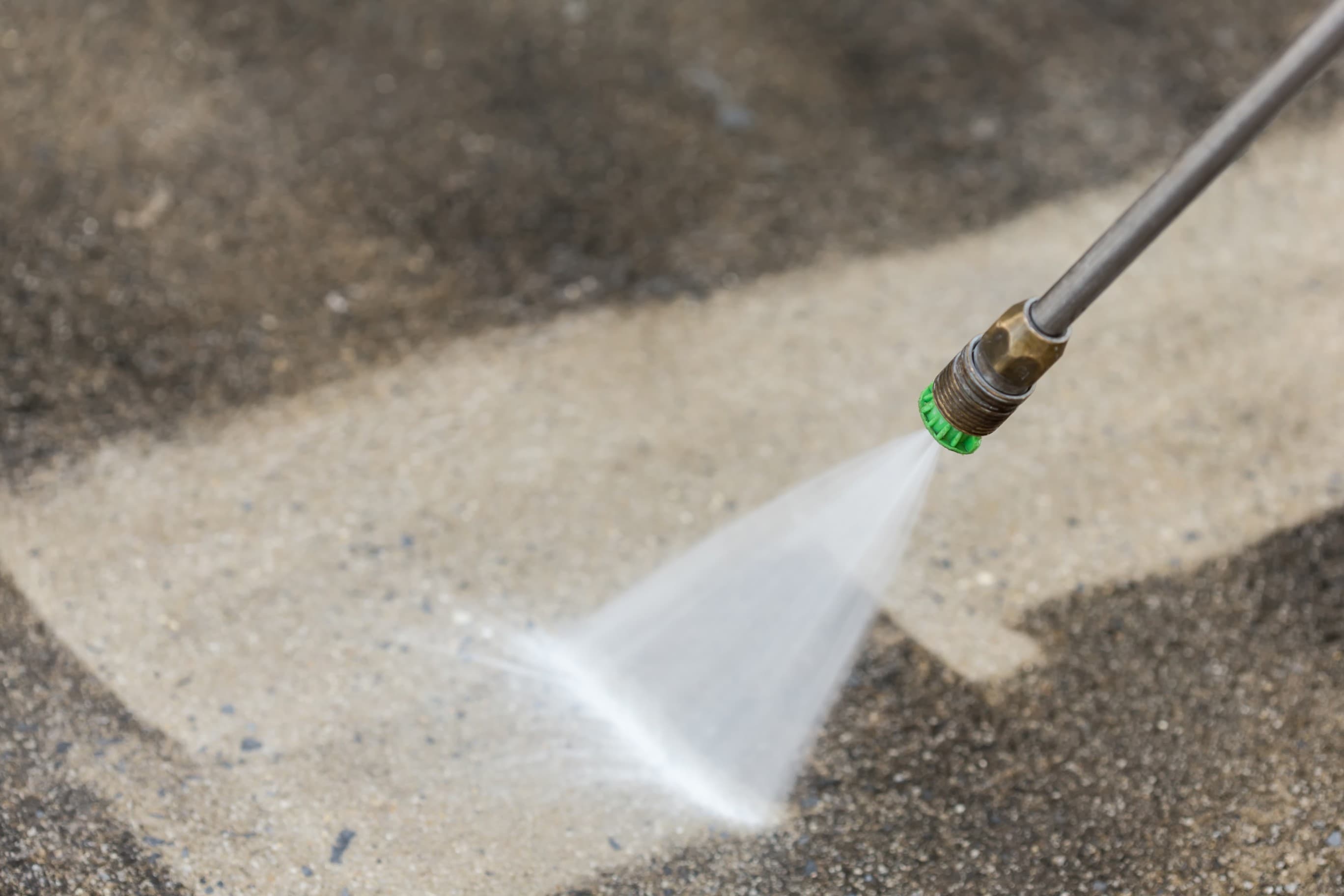
Pressure wash the surface and allow concrete to completely dry.
How to remove a water-based concrete sealer:
Use a product such as Aqua Mix's Sealer and Coating Remover.
You can also try acid etching the concrete (followed by neutralizing)
You can mechanically scarify the concrete to remove the previous sealer.
Generally speaking, in most cases, a new solvent-based concrete sealer can be applied to a surface previously sealed with a solvent-based concrete sealer; however, it cannot be applied over a surface previously sealed with a water-based concrete sealer. If you previously applied a water-based concrete sealer and are now looking to seal with a solvent-based concrete sealer you need to remove the water-based concrete sealer since the solvents will eat or soften the existing water-based concrete sealer, destroying both coatings. Water-based concrete sealers can be removed through chemical etching, aggressive pressure washing or mechanical scarification.
If you previously applied a solvent-based acrylic concrete sealer and are now looking to seal with a water-based acrylic sealer you need to remove the solvent-based acrylic sealer concrete since the water-based concrete sealer will be unable to properly adhere to the solvent-based concrete sealer. Start by removing any visible peeling and flaking and use a solvent-based stripper such as Xylene to remove the previous sealer.
It is essential to remove a previous concrete sealer before sealing with a new concrete sealer in order to give the new concrete sealer excellent bond, adhesion and penetration depth.
Why Ghostshield?
Cryli-Tek 5505 - High Gloss / Wet Look Decorative Concrete & Paver Sealer: Buy Now
Can be applied on top of existing solvent-based acrylic sealers without needing to remove them
Leaves a high gloss / wet look finish that enhances and protects concrete and pavers
Breathable, non-yellowing and UV stable
Resists surface staining, surface deterioration and hot tire pickup while eliminating concrete dusting
Lifespan: +3 years
Siloxa-Tek 8500 - Penetrating Water & Salt Repellent Concrete Sealer: Buy Now
Leaves a clear, natural finish that will never yellow, peel, flake or delaminate
Reduces water infiltration by up to 96%
Stops deicing salt and chloride damage protecting concrete from spalling, pitting, cracking and freeze-thaw
Resists mold & mildew reducing cleaning frequency
Lifespan: +10 Years